Goats on the Front Line: Natural Strategy for Wildfire Control
Posted 1 day ago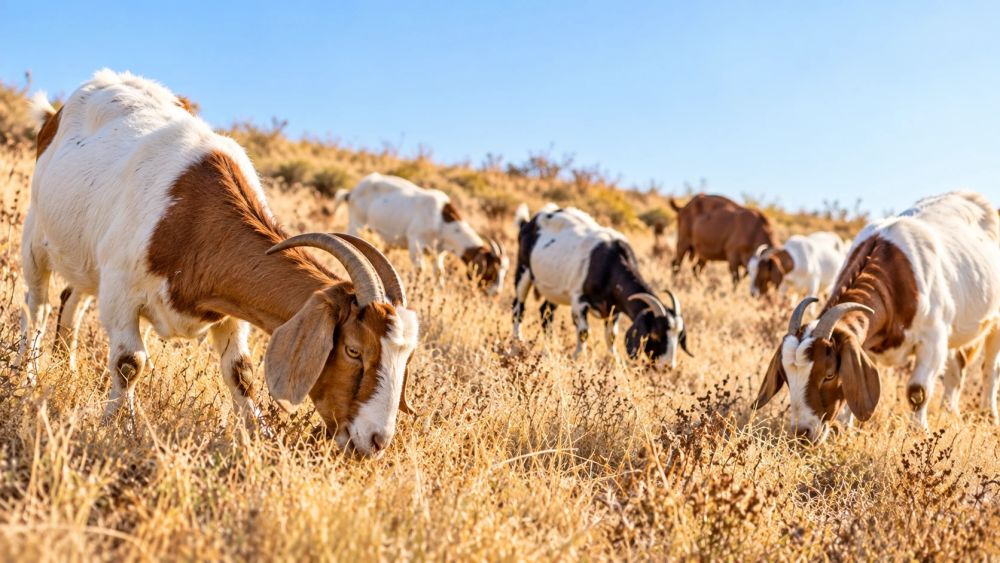
41/2026
At Marine Corps Air Station Miramar in San Diego, California, a new wildfire-prevention crew has arrived. It has four legs, horns, and an extraordinary appetite for fire.
Nearly 500 goats are grazing across the military installation, where they are being used to eat dry grass, shrubs, and other vegetation that can fuel wildfires.
The experiment reflects a growing interest in an ancient land-management practice at a time when wildfire prevention has become increasingly urgent throughout the American West.
The goats, brought to Miramar as part of a vegetation-management effort, can reach areas where heavy machinery may struggle to access. Their grazing could help reduce combustible vegetation while causing less soil disturbance than mechanical clearing. The idea is not entirely new. Goats have been used in various parts of California and elsewhere to control brush and reduce wildfire fuels. What makes the Miramar project notable is its scale and setting: a large military installation with infrastructure, open spaces, and environmentally sensitive habitats.
For firefighters, the attraction is straightforward. Wildfires need fuel. Remove that fuel before a fire starts, and the fire may have less fuel to consume.
Whether goats can become a reliable component of wildfire prevention remains undetermined. Their effectiveness will depend on how much vegetation they can remove, where they can safely graze, and how their presence affects the surrounding ecosystem.
For now, however, the experiment offers a striking image of modern wildfire management: alongside firefighters, aircraft, and bulldozers, one of the oldest tools in human agriculture is being assigned a new role. The firefighters have arrived, and they are hungry.