PlantGPT: The AI System That Lets Plants “Talk” About Their Health
Posted 6 months ago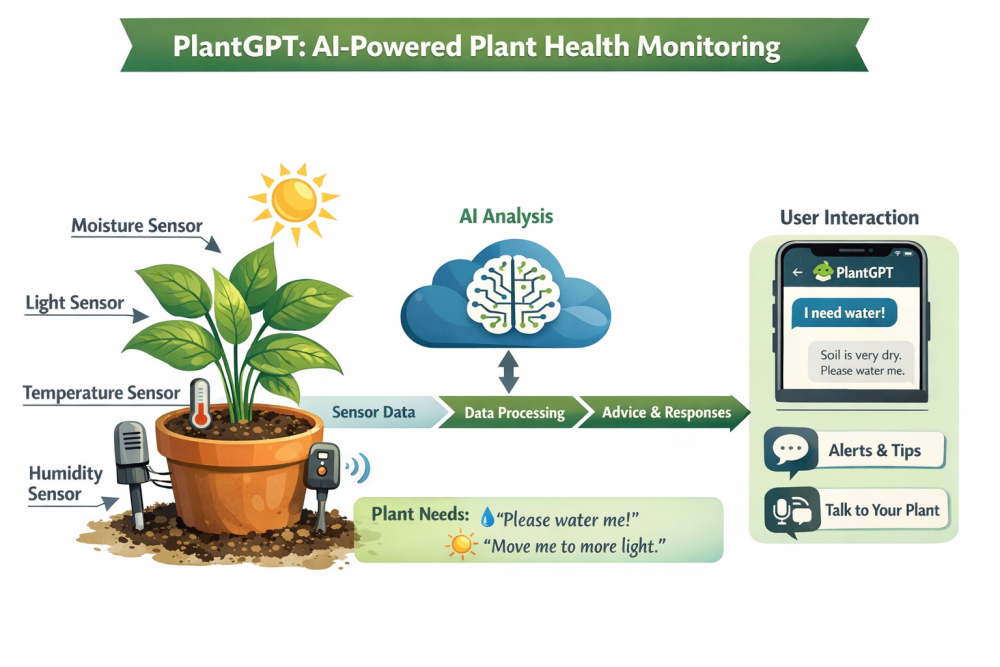
14/2026
PlantGPT is an innovative artificial intelligence system transforming how humans understand and care for plants. By combining environmental sensors with advanced AI analysis, PlantGPT can monitor factors such as soil moisture, light, temperature, and humidity, and translate these signals into simple guidance for people. In an era when artificial intelligence already powers chatbots and smart devices in our homes, PlantGPT extends this digital intelligence to the natural world, allowing plants, in a sense, to “communicate” their needs and to help humans care for them more effectively.
Developed by students at Spelman College, PlantGPT uses AI and sensors to monitor plant health and could revolutionize how people care for plants, making plant care accessible to beginners.
Turning Plant Signals into Human Language
Plants constantly respond to their environment. They respond to sunlight, temperature, moisture, and soil nutrients. But unlike animals, they cannot directly communicate their needs. PlantGPT aims to bridge this communication gap, empowering users to feel more confident in understanding and caring for their plants.
The PlantGPT operates by installing small sensors near or within the soil around a plant. These sensors gather real-time data on important environmental factors, such as:
• Soil moisture
• Light intensity
• Temperature
• Humidity
The system analyzes data such as soil dryness or poor lighting to provide simple advice, such as watering or relocating the plant, making plant care easier for users.
The technology converts environmental data into simple, human-readable instructions, as if the plant itself were speaking.
From Houseplants to Smart Agriculture
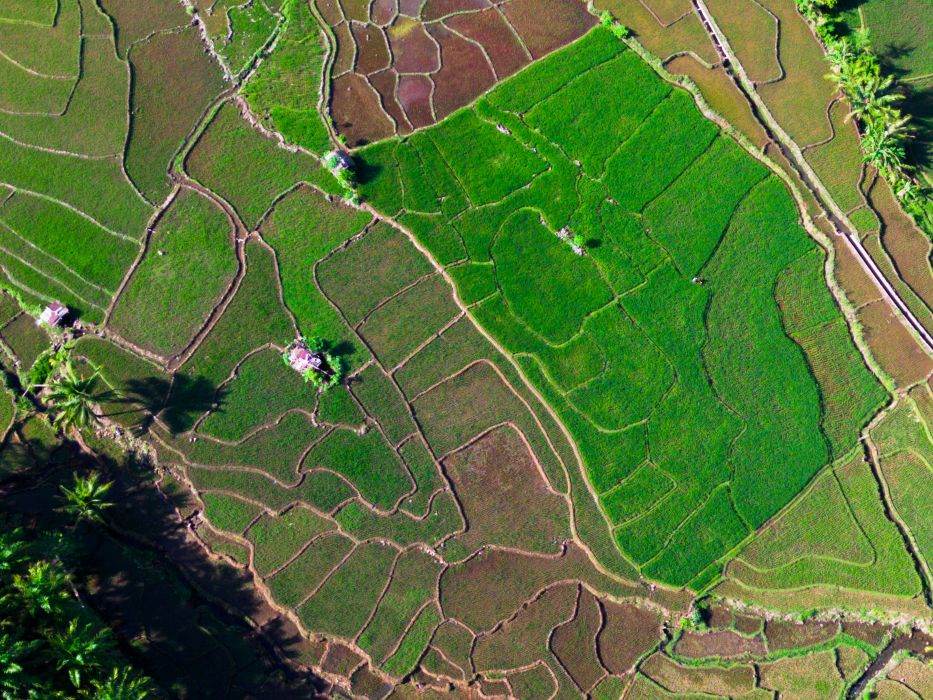
Currently, PlantGPT is being tested on houseplants, but its creators envision much greater potential. If expanded, similar AI systems could help farmers monitor entire fields, detect issues early, and support sustainable farming practices through continuous analysis of environmental data.
Such technology could support precision agriculture, enabling farmers to make better, real-time decisions about irrigation, fertilizer use, and crop management.
Why Innovations Like PlantGPT Matter Worldwide. Agriculture faces growing challenges from climate change, water scarcity, and soil degradation. Technologies that integrate artificial intelligence, sensors, and environmental monitoring could significantly enhance sustainability and food security, inspiring hope for a more resilient future.
Worldwide, agriculture faces growing challenges from climate change, water scarcity, and soil degradation. Technologies that integrate artificial intelligence, sensors, and environmental monitoring could significantly enhance sustainability and food security.
PlantGPT is an early example of how AI can enhance the bond between humans and nature. Instead of substituting technology for nature, systems like this focus on listening more attentively to what plants tell us.
A Future Where Plants “Speak”
The idea that plants could communicate with humans was once confined to science fiction. Now, innovations like PlantGPT suggest that this concept might soon become a part of everyday life.
By translating environmental data into clear guidance, PlantGPT transforms plant care into a conversation where technology helps humans better understand the silent yet essential organisms that sustain life on Earth.
Soon, your houseplant might not actually talk, but with AI assistance, it could finally tell you exactly what it needs to grow strong.