University of Southern Punjab, Multan Joins Greening Education Partnership (GEP)
Posted 14 hours ago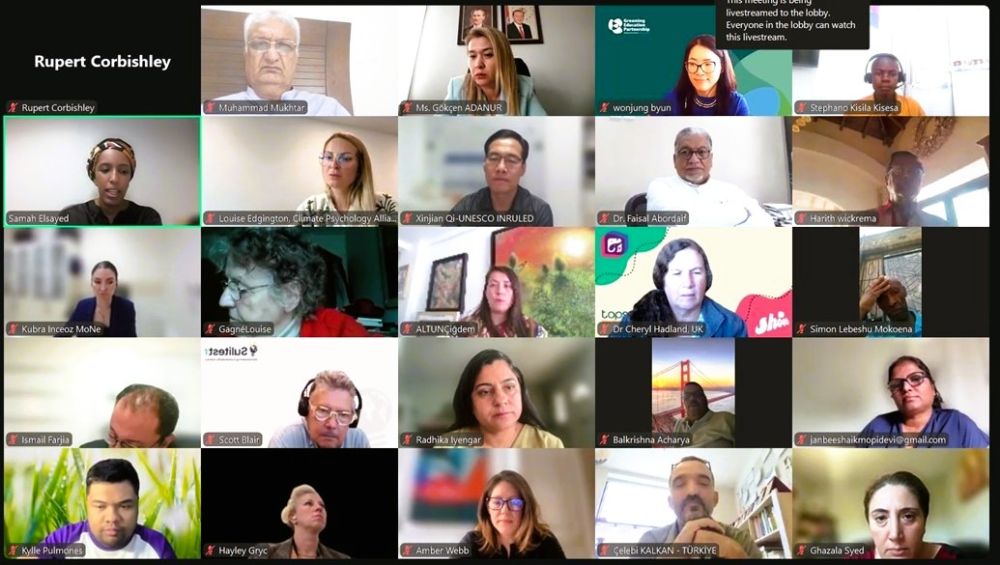
Rector, University of Southern Punjab, Multan, Prof. Emeritus Dr. Muhammad Mukhtar, Participated in the Third 2026 Quarterly Working Group
The University of Southern Punjab (USP), Multan, continues to strengthen its engagement with the global movement toward climate-responsive and sustainable education through the active participation of its Rector, Prof. Dr. Muhammad Mukhtar, in the Third 2026 Quarterly Working Group Meeting of the UNESCO Greening Education Partnership (GEP), which was attended by more than 400 scholars from around the world.
The Greening Education Partnership is a global initiative that brings together governments, academia, civil society, youth, international organizations, and the private sector to transform education systems. Hence, learners acquire the knowledge, skills, values, and attitudes needed to address climate change and advance sustainable development. UNESCO currently identifies four major pillars of the Partnership: Greening Schools, Greening Curriculum, Greening Teacher Training and Education System Capacities, and Greening Communities.
Following the meeting's plenary session, participants were divided into five specialized working groups corresponding to these pillars:
- Greening Schools
- Greening Curriculum
- Greening Teacher Training and Education System Capacities
- Greening Communities
- Greening in Higher Education
The working-group structure reflects the GEP's whole-system approach, which extends beyond teaching students about climate change to transforming educational institutions, curricula, educators, governance systems, and surrounding communities. UNESCO's current framework also emphasizes climate-resilient learning environments, climate-responsive curricula, strengthened teacher preparation, and lifelong learning for resilient communities. (UNESCO)
USP’s Growing Commitment to Greening Education
The University of Southern Punjab's participation in this global initiative marks an important step in the University's growing commitment to environmental education, climate action, and sustainable development. Under the leadership of Prof. Dr. Muhammad Mukhtar, USP has increasingly integrated academic learning with environmental awareness, community engagement, and climate-related knowledge.
A particularly significant initiative at USP is the emphasis on Introduction to Environmental Science as a core component of undergraduate education. The Greening.live platform has highlighted USP's approach to making environmental education relevant to students across disciplines and to connecting environmental knowledge with human health, climate change, and sustainable development.
Greening. Strengthens the Knowledge Dimension.
The Greening.live web portal managed by the Rector of the University of Southern Punjab Multan has emerged as another platform supporting the broader conversation around greening education, climate resilience, and green skills. Its recent coverage of UNESCO's Greening Education Partnership explains the four-pillar model and emphasizes the need to transform education rather than treating environmental education as an isolated academic subject.
The portal also features substantial material on USP's environmental education initiatives, including articles by Prof. Dr. Muhammad Mukhtar and content connecting education, climate change, environmental health, and community action.
This growing body of knowledge and communication complements the University's participation in international discussions. It provides a channel for ideas on green education, climate-smart skills, environmental science, and sustainable development to reach educators, students, researchers, and communities.
From Global Dialogue to Local Action
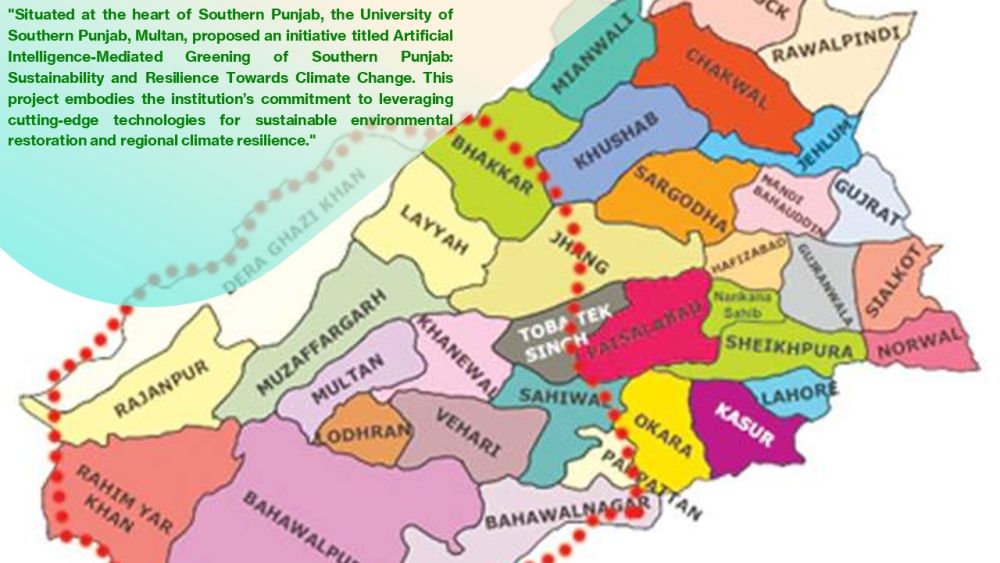
USP's participation in the Greening Education Partnership reflects the University's aspiration to align global sustainability priorities with the educational and environmental realities of Southern Punjab and Pakistan. The four working groups offer higher education institutions an opportunity to contribute perspectives on sustainable campuses, curriculum transformation, faculty development, and community-based climate action.
UNESCO's GEP framework currently brings together 99 countries and more than 2,000 organizations, underscoring the initiative's global scale. Its Global Tracker monitors progress in areas such as green schools, curricula, teacher capacity, and community programs.
Through his continued participation in international sustainability and education forums, Prof. Dr. Muhammad Mukhtar has emphasized the importance of linking higher education with environmental responsibility, climate resilience, and community development. His regular engagement with the Greening Education Partnership gives USP an avenue to share its experiences and learn from institutions and organizations working on green education worldwide.
The University of Southern Punjab's involvement therefore signals a broader institutional vision: to make education not only a means of understanding the environmental challenges facing humanity but also a practical force for cultivating climate-ready graduates, greener institutions, and more resilient communities.